Beyond Coping: A Compassion-Focused CBT Guide to Resilience in Modern Life
If the last blog explored why so many of us feel mentally drained, overwhelmed or simply “not ourselves,” this one moves into the question I’m asked most often: So what can I actually do about it?
CBT gives us a framework to understand how our thoughts, emotions and behaviours influence one another, helping us respond more flexibly when life becomes stressful. Resilience isn’t about pretending difficulty doesn’t exist. It’s about learning to interpret our experiences accurately, rather than through the lens of fear or self-criticism.
In the world we live in today, it’s no wonder so many of us feel like we’re not doing enough or can’t keep up in the same way we once did. Whether that’s true or not (and it usually isn’t), the belief alone can trap us in a constant state of threat. It leaves us feeling inadequate, anxious, low in mood, unmotivated, and terrified to try new things in case we “fail.”
When we get stuck in these loops, the mind moves quickly into catastrophic predictions—I’m going to do a terrible job and my boss will think I’m useless. It can become rigid—If I can’t complete everything perfectly, I’m failing. It spirals into endless “what ifs”—What if they noticed my anxiety in that meeting and now doubt my ability? And, of course, it often ends with harsh self-judgement; ‘Why can’t you just do better? What’s wrong with you?
Even though these examples come from work, the same patterns show up in parenting, friendships, relationships and day-to-day life. I hear it constantly in therapy, the pressure people place on themselves is so high that no one could ever meet it. And beneath that sits a fear that if they drop the ball even slightly, the whole world will finally see how “incompetent” they really are.
There is simply no way to remain resilient when we are terrified of being exposed.
The traditional idea of resilience, pushing through, staying strong, coping silently just doesn’t reflect the reality of modern life or modern work. Our nervous systems weren’t designed for constant uncertainty, relentless digital noise or the blurred boundaries of home and work. But the good news is that resilience can be built. Not by toughening up, but through building compassion, flexibility and small, nurturing shifts that support the nervous system rather than fight against it.
This is where Compassion-Focused CBT becomes such a powerful approach.
Noticing What’s in Your Control
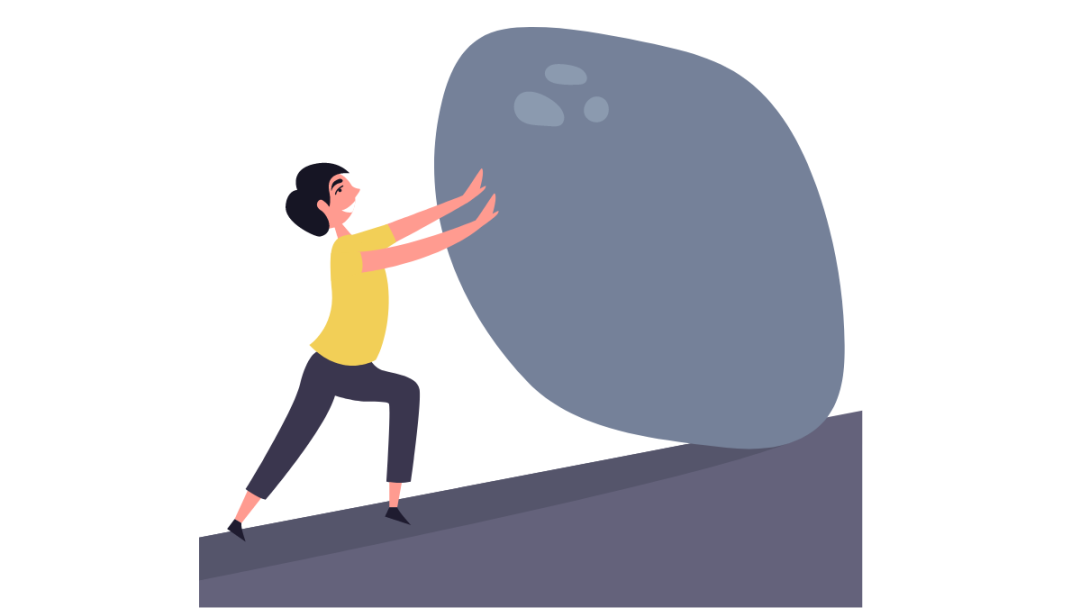
When life feels overwhelming, the mind switches into panic, scanning for every possible danger. One of the gentlest ways to steady yourself is to pause and consider what's truly within your control. This doesn’t fix everything, but it shifts you out of helplessness and back toward possibility. It’s a quiet but profound act of resilience, allowing you to take one small, manageable step forward instead of collapsing under the weight of everything at once.
Practising Balanced Thinking
Our minds are incredibly skilled at catastrophising, especially when we’re stressed or tired. Suddenly everything feels urgent, unmanageable, or destined to go wrong. Balanced thinking isn’t about being positive; it’s about being realistic. When your thoughts start racing, take a breath and gently reframe the story you are telling yourself.
“I can’t do this.” → “This is hard, but I’ve handled hard things before.”
“What if it goes wrong?” → “Things have gone wrong before and i’ve made it through”
“Everyone is coping better than me.” → “I don’t actually know that, it just feels that way.”
Even if the new thought doesn’t feel fully believable yet, you are still giving your brain an alternative. One that reduces the sense of threat and begins building psychological resilience from the inside out.
Using Two-Minute Steps When You Feel Frozen
Overwhelm often triggers a freeze response, especially when the “threat” is hypothetical (not happened yet) and impossible to fight. In these moments, your brain needs something incredibly small and achievable. Taking just two minutes to send one email or write one sentence, then take a pause to stretch, or drink a glass of water can gently restart momentum. Small steps are not insignificant, they are the foundation. They help your brain feel capable again, and capability builds confidence. Even if a part of you whispers, This used to be so easy, what’s wrong with me? Remind yourself that resilience isn’t about who you were then; it’s about responding compassionately to who you are now.
Building Inner Safety
Most of us speak to ourselves far more harshly than we ever would to someone we love. Compassion-Focused Therapy shows us that this inner critic activates the threat system, whereas a kinder inner voice activates the soothing system. When you ask yourself what a supportive, wise friend would say, and then try to use that tone with yourself, you aren’t being self-indulgent, you are regulating your nervous system so you can think clearly again.
Regulating the Nervous System
You can’t think your way out of overwhelm when your body is in fight-or-flight. The body must first be shown that it is safe. Soothing rhythmic breathing is one of the simplest ways to do this. Take slow, intentional breaths through your noise for a count of 4, and then out through your mouth for a count of 4. This activates the parasympathetic system, the part of you that says, You’re safe enough to calm down and see clearly.
Prioritising Connection
Connection is essential for resilience. Research consistently shows that people with strong social networks recover from stress more quickly and have better mental and physical health.
Let's start prioritising friendships, community, and reaching out to supportive colleagues rather than pushing through alone.
As humans we need to feel like we belong in order to thrive. Connection pulls us out of threat mode and back into shared humanity.
Moving Your Body (Kindly)
Movement plays such an important role in lowering stress hormones and helping us regulate our emotions, and it doesn’t have to mean an intense workout, especially on the days when you’re already feeling stretched thin. In the winter months it’s so easy to stay glued to our desks all day, only to realise it’s dark outside and we’ve gone straight from laptop to sofa. We genuinely need to move every day, even if it’s just a quick lap around the block. Grab your brolly and your puffa, and try to get outside while it’s still light. If you're in the office, make it something you do together. Gather a couple of colleagues for a lunchtime walk or a quick trip to get a coffee. These small moments of movement and connection really do build resilience for everyone
Protecting Your Sleep
Sleep is one of the strongest predictors of psychological resilience, yet so many of us are both deprived of sleep and obsessed with tracking it. Instead of relying on devices that may fuel anxiety, start by reducing stimulation in the evenings. Step away from the scroll, dim your lights, keep a consistent sleep-wake window, and introduce calming activities that soothe your nervous system before bed. Your brain cannot be resilient without rest.
The Role of Workplaces in Resilience
Resilience doesn’t grow in environments that constantly activate threat. Workplaces have a far greater impact on mental health and resilience than many people realise. When organisations foster psychological safety, offer clarity, support autonomy, teach cognitive and compassion-based skills, and encourage connection, people thrive. When they don’t, resilience collapses.
Leaders play a pivotal role by modelling compassion, validating emotions, recognising effort, and creating environments where people feel safe to ask for help without fear of judgement. Safety keeps people out of survival mode. And when people feel safe, they think more clearly, collaborate more effectively, and perform better.
A Closing Thought
Resilience isn’t about being tougher or pushing harder. It’s about being supported, regulated and understood. It’s about thinking flexibly, recovering gently, resting deeply, and offering yourself compassion rather than criticism. Resilience isn’t endurance, it’s connection, courage and care.
If your organisation would like support in building compassionate, psychologically informed resilience within your teams, Please reach out to explore tailored workshops that meet the unique needs of your workplace.